


Introduction
When people imagine a safari in Tanzania, they often picture vast golden plains, majestic lions, towering elephants, and the unforgettable spectacle of the Great Wildebeest Migration. While these extraordinary wildlife encounters are undoubtedly the highlight of many journeys, they represent only one part of what makes Tanzania such an exceptional destination. Beyond its world-famous national parks lies a country rich in traditions, diverse cultures, and welcoming communities that have lived alongside wildlife for centuries.
Today’s travelers are looking for more than sightseeing. They want authentic experiences that help them connect with the places they visit, understand local traditions, and create meaningful memories. This is exactly why Tanzania cultural experiences have become an essential part of modern safari itineraries. Combining wildlife adventures with cultural encounters allows visitors to discover the true heart of Tanzania while gaining a deeper appreciation for its people, history, and heritage.
From visiting traditional Maasai villages and meeting the Hadzabe hunter-gatherers to exploring vibrant local markets and coffee farms, cultural tourism Tanzania offers experiences that go far beyond a typical game drive. These authentic interactions provide travelers with stories that remain long after the safari ends, making every journey richer and more rewarding.
Whether you’re visiting Tanzania for your first safari or returning to explore more of East Africa, adding cultural activities to your itinerary creates a balanced travel experience that combines wildlife, adventure, education, and genuine human connection. In this guide, we’ll explore why cultural tours add incredible value to your safari and why they should be part of every unforgettable Tanzania travel experience.
Tanzania Is More Than Just a Safari Destination
Tanzania is internationally recognized for its incredible wildlife and iconic national parks, including Serengeti National Park, Ngorongoro Crater, Tarangire National Park, and Lake Manyara National Park. Every year, these destinations attract thousands of travelers eager to witness the Big Five and experience one of Africa’s finest safari adventures.
However, what many visitors discover after arriving is that Tanzania is much more than a wildlife destination. It is a country with more than 120 ethnic groups, each contributing unique traditions, languages, music, dances, clothing, architecture, and customs. This remarkable cultural diversity makes Tanzania one of the richest cultural destinations in East Africa.
For centuries, local communities have lived alongside elephants, lions, giraffes, and other wildlife while maintaining traditions that continue to shape everyday life. Their stories reveal how people have adapted to changing environments, protected natural resources, and preserved customs that have been passed down through generations.
Exploring these communities gives travelers a completely different perspective on Tanzania. Instead of simply observing wildlife, visitors begin to understand the deep relationship between people and nature. This connection is one of the reasons cultural tourism Tanzania continues to grow in popularity among travelers seeking authentic and meaningful experiences.
Adding cultural activities also creates a more balanced itinerary. After exciting game drives through Tanzania’s famous national parks, spending time in local communities offers a slower pace and a chance to connect with the country’s people. These experiences complement wildlife adventures perfectly, creating memories that are both educational and deeply personal.
What Is Cultural Tourism in Tanzania?
Cultural tourism Tanzania is about experiencing the country’s traditions, heritage, and everyday life through genuine interactions with local communities. Rather than simply visiting famous attractions, travelers become active participants in learning about Tanzania’s people, customs, and history.
These experiences may include:
- Visiting traditional villages
- Learning about local customs and ceremonies
- Watching traditional dances and music performances
- Exploring coffee and banana farms
- Visiting local markets
- Meeting local artisans and craftsmen
- Learning traditional cooking methods
- Discovering ancient cultural heritage sites
- Participating in community-based tourism projects
Unlike staged tourist attractions, many community-based cultural tours are led by local residents who proudly share their heritage with visitors. This creates meaningful conversations and allows travelers to gain authentic insights into daily life in Tanzania.
One of the greatest advantages of cultural tourism is the opportunity to ask questions directly to local people. Visitors can learn about traditional homes, family life, education, livestock keeping, farming practices, marriage customs, storytelling traditions, and conservation efforts directly from those who live them every day.
These personal interactions create lasting memories that cannot be found in guidebooks or documentaries. They transform Tanzania travel into an enriching cultural journey rather than simply a sightseeing holiday.
Experience an Authentic Maasai Village Tour
One of the most popular Tanzania cultural experiences is participating in an authentic Maasai village tour The Maasai are among East Africa’s most recognizable indigenous communities and have maintained many of their traditional customs despite the rapid modernization taking place across the region.
During a guided visit, travelers are warmly welcomed into a Maasai village where they have the opportunity to learn about one of Africa’s most fascinating cultures. Local community members explain how traditional homes, known as bomas, are built using natural materials and how families organize their daily lives around livestock, which remain central to Maasai culture and identity.
Visitors often have the chance to observe traditional dances, listen to cultural songs, and learn about colorful beadwork that carries symbolic meaning within Maasai society. Every piece of jewelry tells a story through its colors and patterns, representing age, family status, and important cultural values. These handcrafted items also provide visitors with an opportunity to support local artisans by purchasing authentic souvenirs directly from the community.
A Maasai village tour is also an opportunity to understand the remarkable relationship between the Maasai people and Tanzania’s wildlife. For generations, Maasai communities have shared their land with elephants, lions, zebras, and countless other species. Local guides explain how traditional knowledge and modern conservation now work together to protect wildlife while supporting community livelihoods.
The experience goes far beyond watching a cultural performance. Visitors are encouraged to ask questions, interact with community members, and gain a genuine understanding of Maasai traditions, values, and everyday life. These conversations often become some of the most meaningful moments of an entire safari.
By participating in a responsible Maasai village tour, travelers not only enrich their own experience but also contribute directly to community development through responsible tourism. Many cultural tourism initiatives help fund schools, healthcare projects, clean water programs, and conservation efforts, ensuring that tourism creates lasting benefits for local families.
Discover Tanzania Through Local Communities
While the Maasai are the best-known cultural group in Tanzania, they represent just one part of the country’s extraordinary cultural diversity. Across different regions, visitors can meet farming communities, fishing villages, artisan groups, and families who continue to preserve traditional skills and customs that have been passed down for generations.
Walking through a local village allows travelers to experience everyday life in a way that few tourists ever do. You might visit a bustling local market filled with fresh fruits, spices, and handmade crafts, watch skilled artisans carving wood or weaving baskets, or spend time with local farmers learning how coffee, bananas, and vegetables are grown using traditional methods.
These authentic Tanzania cultural experiences provide a deeper understanding of the country’s rich heritage while creating meaningful connections between visitors and local communities. Rather than simply taking photographs, travelers return home with stories, friendships, and a greater appreciation for the people who make Tanzania such a remarkable destination.
For many visitors, these human connections become just as memorable as seeing lions on the Serengeti or elephants in Tarangire. They reveal a side of Tanzania travel that cannot be experienced through wildlife alone and remind us that the true beauty of Tanzania lies not only in its landscapes but also in the warmth, hospitality, and traditions of its people.
Meet the Hadzabe and Datoga Tribes
While a Maasai village tour is one of the most popular cultural activities in Tanzania, it is far from the only opportunity to discover the country’s remarkable cultural diversity. Northern Tanzania is home to several indigenous communities that have preserved their traditional ways of life for generations, offering visitors a rare chance to experience cultures that are unlike anywhere else in the world.
One of the most fascinating Tanzania cultural experiences is meeting the Hadzabe, one of the last remaining hunter-gatherer communities in Africa. Living near Lake Eyasi, the Hadzabe have maintained a lifestyle that has changed very little over thousands of years. Unlike farming communities, they depend on hunting wild animals, gathering fruits, berries, roots, and honey from the surrounding forests to survive.
During a guided cultural tour, visitors can accompany Hadzabe guides on an early morning walk to learn about their traditional hunting techniques, discover edible plants, and understand how they use natural resources sustainably. Rather than simply observing, travelers gain firsthand insight into a way of life that has survived for countless generations. The experience is educational, respectful, and offers a unique perspective on humanity’s connection with nature.
Nearby, visitors can also meet the Datoga people, a skilled pastoral community renowned for their craftsmanship and traditional blacksmithing. The Datoga create handmade tools, knives, jewelry, and farming equipment using techniques that have been passed down through generations. Watching local artisans transform raw metal into beautifully crafted objects provides a fascinating glimpse into Tanzania’s rich artistic heritage.
Meeting these communities gives travelers a greater appreciation of Tanzania’s cultural diversity. It reminds visitors that the country’s greatest treasures are not limited to its wildlife but also include the people who continue to preserve traditions, languages, and skills that have shaped the region for centuries.
Experience Traditional Tanzanian Food and Coffee Culture
Food is one of the most enjoyable ways to experience a country’s culture, and Tanzania offers visitors a wonderful opportunity to discover authentic local cuisine. While game drives showcase the country’s wildlife, cultural tours introduce travelers to the flavors, ingredients, and cooking traditions that are part of everyday life across Tanzania.
Many Tanzania cultural experiences include visits to family homes, local restaurants, or community kitchens where guests can watch traditional meals being prepared. Fresh vegetables, tropical fruits, aromatic spices, locally grown rice, cassava, maize, and grilled meats all play important roles in Tanzanian cuisine. Visitors may even have the opportunity to help prepare local dishes while learning about the customs that surround family meals and celebrations.
Coffee lovers will especially enjoy visiting the fertile foothills of Mount Kilimanjaro or the slopes around Arusha, where some of Tanzania’s finest coffee is grown. Guided coffee tours take visitors through every stage of production—from planting and harvesting the beans to roasting, grinding, and brewing a fresh cup of coffee. Meeting local farmers and learning about sustainable farming practices adds another meaningful dimension to Tanzania travel, while supporting small agricultural communities.
These culinary experiences offer far more than delicious food. They create opportunities to connect with local families, share stories, and understand how agriculture and traditional recipes remain central to Tanzanian culture.
Explore Local Markets and Traditional Crafts
One of the best ways to experience everyday life during Tanzania travel is by visiting local markets. These lively gathering places provide a fascinating insight into the country’s culture, commerce, and community spirit.
Walking through a traditional market, you’ll discover colorful displays of fresh produce, spices, handcrafted baskets, fabrics, wood carvings, and locally made jewelry. Vendors proudly explain their products, while local guides help visitors understand the cultural significance behind traditional crafts and everyday items.
Markets are also excellent places to meet local artisans who continue to preserve centuries-old skills. Many crafts are handmade using techniques passed down through generations, making each item unique. Purchasing directly from local artists not only provides meaningful souvenirs but also supports community livelihoods and helps preserve traditional craftsmanship.
For travelers seeking authentic cultural tourism Tanzania, these local markets offer an experience that is both educational and enjoyable, allowing visitors to interact naturally with local people while contributing directly to the local economy.
How Cultural Tours Support Local Communities
One of the greatest benefits of cultural tourism Tanzania is its positive impact on local communities. Responsible cultural tourism creates employment opportunities, supports education, encourages entrepreneurship, and helps preserve traditional knowledge for future generations.
Many community-based tourism initiatives are owned or managed by local residents themselves. Income generated from cultural tours often helps fund schools, healthcare facilities, clean water projects, women’s cooperatives, and youth education programs. By participating in these experiences, travelers contribute directly to improving local livelihoods while enjoying authentic cultural encounters.
Responsible tourism also encourages younger generations to value and preserve their cultural heritage. Traditional music, dance, storytelling, craftsmanship, and indigenous knowledge become important economic resources that communities are proud to share with visitors from around the world.
This creates a positive cycle where tourism not only benefits travelers but also strengthens local communities and protects Tanzania’s rich cultural identity.
Cultural Tourism and Wildlife Conservation Go Hand in Hand
Many travelers are surprised to learn that Tanzania cultural experiences also contribute to wildlife conservation. Communities living near national parks play an important role in protecting Tanzania’s incredible biodiversity, and tourism provides valuable incentives to preserve these natural environments.
When local communities benefit from tourism, they are more likely to support conservation efforts, protect wildlife habitats, and participate in sustainable land management. Revenue generated through responsible tourism helps create employment that reduces pressure on natural resources while encouraging peaceful coexistence between people and wildlife.
Local guides often explain how conservation initiatives have improved both wildlife populations and community livelihoods. Visitors gain a deeper understanding of the challenges facing conservation while seeing firsthand how responsible tourism can make a positive difference.
This connection between culture, conservation, and sustainable development makes cultural tourism Tanzania one of the most rewarding ways to explore the country.
Why Combining Culture with Safari Creates a Better Experience
A safari filled with incredible wildlife sightings is unforgettable, but adding cultural experiences transforms an excellent holiday into a truly life-changing journey. Wildlife introduces you to Tanzania’s extraordinary natural heritage, while cultural tours introduce you to the people whose traditions, knowledge, and hospitality have shaped the country for generations.
The combination creates a balanced travel experience where each day offers something different. One morning you might be watching lions in the Serengeti, while the afternoon is spent visiting a Maasai community or enjoying coffee with local farmers. These contrasting experiences create a richer understanding of Tanzania and allow visitors to appreciate both its natural beauty and cultural diversity.
Travelers who include Tanzania cultural experiences in their itinerary often return home with memories that go far beyond wildlife photographs. They remember conversations with local guides, laughter shared with village children, learning traditional dances, tasting homemade food, and discovering customs that broaden their understanding of the world.
This deeper connection is what makes Tanzania travel so special. It is not only about the destinations you visit but also about the people you meet and the stories you carry home long after your journey ends.
Why Book Your Tanzania Safari with a Local Tour Operator?
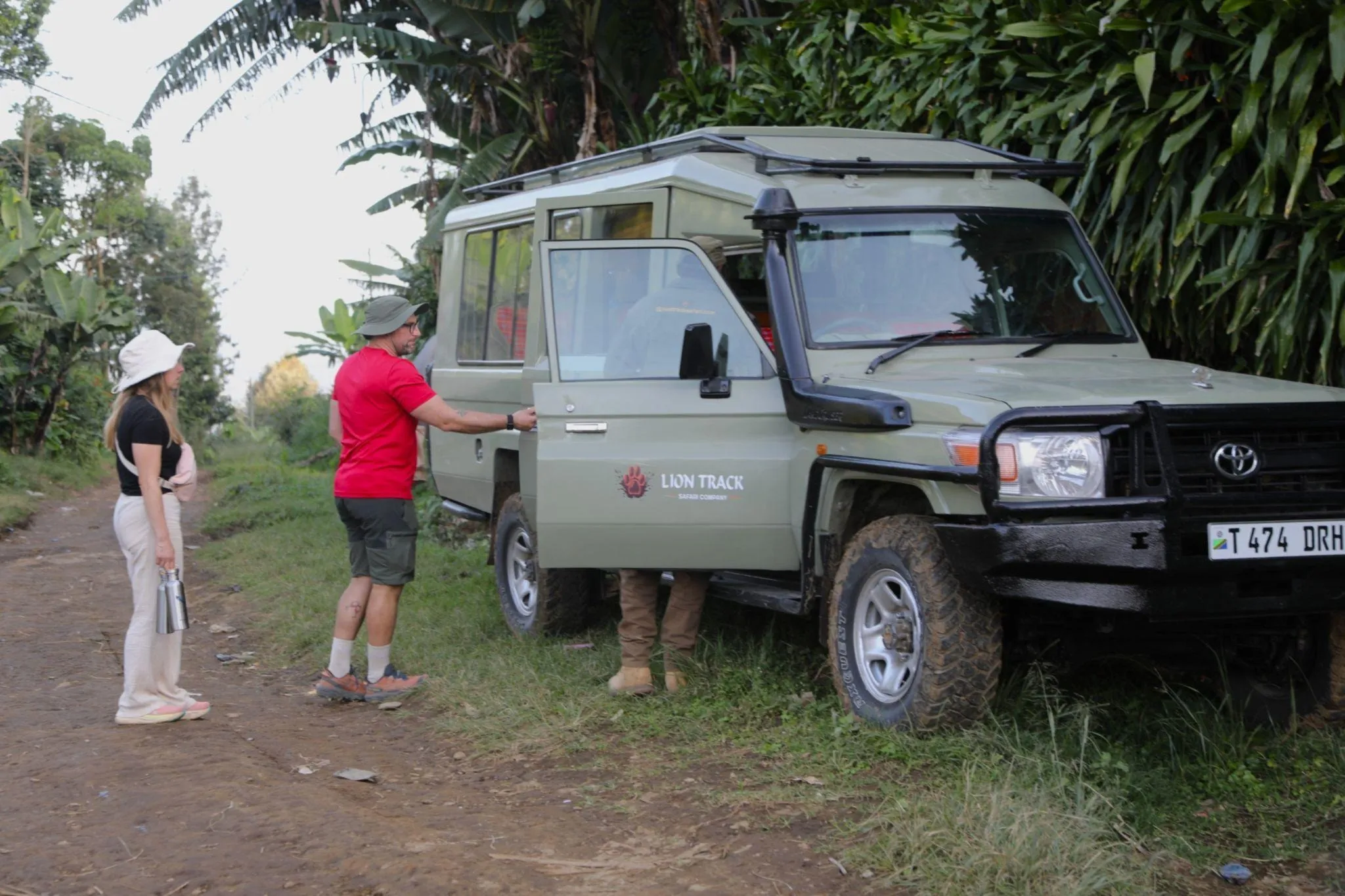
Planning a safari is about much more than choosing the right national parks or finding comfortable accommodation. The tour operator you travel with has a significant impact on the quality of your experience. A knowledgeable local operator not only helps you discover Tanzania’s famous wildlife but also introduces you to authentic cultural encounters that many visitors would otherwise miss.
Local tour operators understand the country beyond the popular tourist attractions. They work closely with local communities, experienced safari guides, cultural leaders, and conservation organizations to create itineraries that are both meaningful and responsible. Their firsthand knowledge allows them to recommend authentic Tanzania cultural experiences, arrange respectful visits to local villages, and ensure that every cultural activity benefits the communities involved.
Experienced local guides also serve as cultural ambassadors. They explain the history, traditions, beliefs, and daily lives of the people you meet, helping visitors understand the significance behind every experience. Instead of simply visiting a destination, you become part of a genuine cultural exchange that leaves a lasting impression.
Choosing a local operator also means your travel investment stays within Tanzania, supporting local businesses, creating employment opportunities, and contributing to sustainable tourism. From safari guides and mountain guides to drivers, cooks, artisans, and accommodation providers, your journey helps strengthen local economies while encouraging the preservation of Tanzania’s incredible cultural and natural heritage.
Whether you’re interested in a traditional Maasai village tour, a visit to the Hadzabe community, a coffee plantation experience, or a combination of wildlife and culture, local expertise ensures your journey is authentic, safe, and unforgettable.
Discover Authentic Tanzania with Lion Track Safari Company
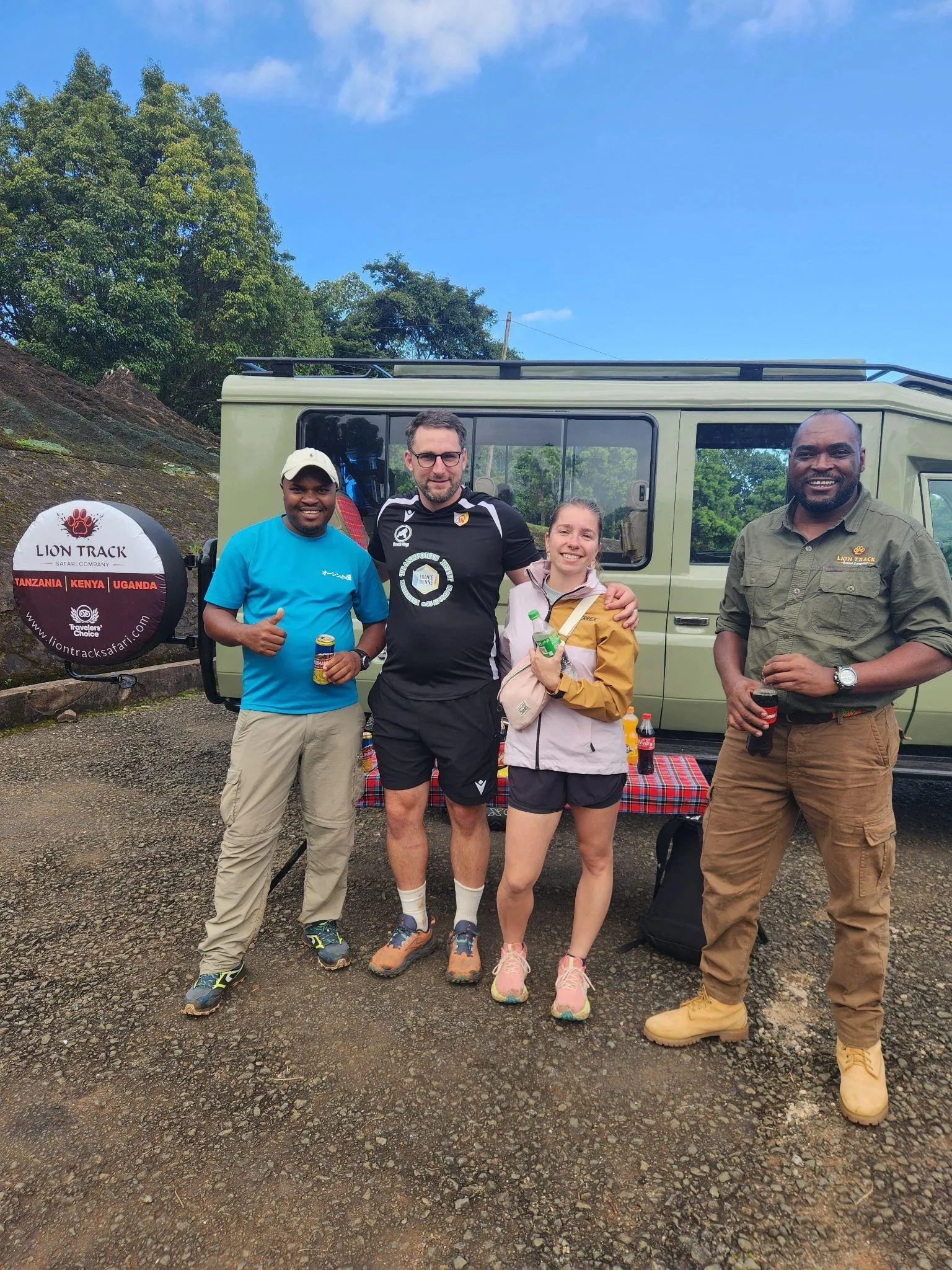
If you’re looking for unforgettable Tanzania travel experiences that combine incredible wildlife with meaningful cultural encounters, Lion Track Safari Company is ready to help you create the perfect itinerary.
As a trusted local tour operator based in Tanzania, Lion Track Safari Company specializes in tailor-made safari holidays that showcase the very best of the country. From the endless plains of the Serengeti and the breathtaking Ngorongoro Crater to authentic Maasai village tours, cultural visits around Lake Eyasi, Mount Kilimanjaro adventures, and relaxing Zanzibar beach holidays, every journey is carefully designed to deliver a complete Tanzanian experience.
The company’s experienced local guides are passionate about sharing their knowledge of wildlife, history, and culture. They don’t simply guide game drives—they introduce visitors to the traditions, stories, and communities that make Tanzania one of Africa’s most fascinating destinations.
Lion Track Safari Company believes that the best safaris combine spectacular wildlife with genuine human connections. That’s why many of their itineraries include opportunities to experience Tanzania cultural experiences, support local communities, and learn about conservation efforts that help protect the country’s extraordinary natural heritage.
Whether you’re planning your first safari, a family holiday, a honeymoon, a photography expedition, or a return visit to East Africa, Lion Track Safari Company offers personalized service, professional guides, comfortable accommodations, and carefully planned itineraries designed around your interests and travel style.
By choosing Lion Track Safari Company, you’re choosing local expertise, authentic experiences, responsible tourism, and a team dedicated to creating memories that will last a lifetime.Travel
Conclusion
A safari in Tanzania is about much more than seeing wildlife—it’s about discovering a country rich in culture, history, traditions, and warm hospitality. While game drives through the Serengeti, Ngorongoro Crater, Tarangire National Park, and Lake Manyara provide unforgettable encounters with Africa’s iconic animals, adding cultural activities creates a far deeper and more rewarding journey.
From participating in an authentic Maasai village tour and meeting the Hadzabe and Datoga communities to exploring local markets, tasting traditional cuisine, and learning about conservation from the people who live alongside wildlife, these experiences offer a genuine connection to Tanzania that cannot be found through wildlife viewing alone.
Choosing cultural tourism Tanzania allows travelers to support local communities, preserve traditional heritage, and contribute to sustainable tourism while creating meaningful memories that last long after the journey ends. It transforms an ordinary safari into a complete travel experience filled with learning, adventure, and authentic human connection.
If you’re planning your next Tanzania travel adventure, consider combining world-class wildlife with unforgettable cultural experiences. You’ll return home not only with incredible photographs but also with a deeper appreciation for the people, traditions, and communities that make Tanzania one of Africa’s most extraordinary destinations.
Final Thoughts
The most memorable journeys are those that connect you with both nature and people. Tanzania offers this rare opportunity through its spectacular wildlife, breathtaking landscapes, and vibrant cultural heritage. By combining an unforgettable safari with authentic cultural experiences, you’ll discover the true spirit of Tanzania while creating memories that will stay with you for a lifetime.