

Introduction
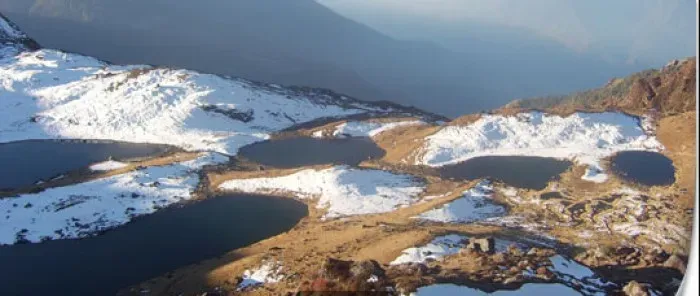
Panch Pokhari Trekking is a spectacular Himalayan adventure that takes travelers into one of Nepal’s lesser-known mountain destinations. The name Panch Pokhari means “Five Lakes,” referring to a group of sacred alpine lakes situated at a high elevation in the Sindhupalchok district. Surrounded by impressive Himalayan landscapes, green hills, rugged trails, and traditional villages, the Panch Pokhari region offers an excellent combination of natural beauty, culture, and peaceful trekking.
Unlike some of Nepal’s famous trekking routes, Panch Pokhari remains relatively quiet and less commercialized. This makes it an attractive destination for travelers who want to explore the Himalayas away from large crowds. The journey passes through forests, terraced farmland, mountain settlements, and high-altitude landscapes before reaching the sacred lakes.
The trek is suitable for adventurous travelers looking for a moderately challenging Himalayan experience without committing to a very long expedition. Its combination of cultural traditions, spectacular views, and pristine mountain scenery makes it a rewarding destination for both experienced trekkers and enthusiastic hikers.
Where Is Panch Pokhari?
Panch Pokhari is located in Nepal’s Sindhupalchok district, northeast of Kathmandu. The region lies within the Langtang area and is surrounded by beautiful hills and Himalayan peaks.
The five sacred lakes are situated at an elevation of roughly 4,100 meters, making them among the notable high-altitude lake systems in Nepal. The area has religious significance for both Hindu and Buddhist communities.
The journey toward Panch Pokhari gradually moves from lower agricultural areas into forests and alpine landscapes. This change in environment makes the trek especially interesting because the scenery evolves throughout the journey.
Why Choose Panch Pokhari Trekking?
There are many reasons to choose Panch Pokhari Trekking, particularly for travelers searching for a quieter alternative to Nepal’s busiest trails.
The first attraction is the peaceful environment. The route receives fewer trekkers than popular destinations such as Everest Base Camp or the Annapurna Circuit. As a result, visitors can enjoy the natural surroundings with fewer crowds.
The second attraction is the landscape. The trek combines lush forests, terraced hillsides, mountain villages, waterfalls, streams, and high-altitude lakes. From elevated viewpoints, trekkers can enjoy broad Himalayan panoramas.
The cultural experience is equally rewarding. Local communities have preserved traditional lifestyles, religious practices, and agricultural traditions. Travelers can experience rural Nepal while learning about the customs of the people living in the mountain region.
Major Highlights of Panch Pokhari Trekking
The trek offers a variety of natural and cultural attractions. Important highlights include:
-
The sacred Five Lakes of Panch Pokhari
-
Spectacular Himalayan mountain views
-
Traditional villages and rural communities
-
Beautiful rhododendron, pine, and oak forests
-
Terraced agricultural landscapes
-
High-altitude viewpoints and alpine terrain
-
Buddhist and Hindu cultural traditions
-
Peaceful trails away from large tourist crowds
-
Opportunities for photography and nature exploration
The five lakes themselves are the centerpiece of the journey. Their surrounding mountains and peaceful atmosphere create an impressive destination for trekkers who enjoy both scenery and cultural discovery.
Panch Pokhari Trekking Route
The exact itinerary can vary depending on the chosen starting point, transportation arrangements, and trekking schedule. However, the journey generally begins with a drive from Kathmandu toward Sindhupalchok.
Once the trekking section begins, the route passes through rural villages and terraced farmland. The early stages usually involve gradual climbs through green hills and forested areas.
As the trail gains elevation, the scenery becomes more alpine. Rhododendron and pine forests provide shade in some sections, while open mountain viewpoints reveal increasingly impressive Himalayan landscapes.
The trail eventually reaches higher elevations and the Panch Pokhari area. Trekkers can spend time exploring the lakes and surrounding landscapes before beginning the descent.
The return journey follows a descending route through forests and villages before travelers drive back toward Kathmandu.
Because mountain roads and weather conditions can change, it is wise to keep some flexibility in the travel schedule.
Difficulty of the Trek
Panch Pokhari Trekking is generally considered a moderate to challenging trek. Although it does not require technical mountaineering skills, trekkers should be prepared for steep uphill and downhill sections, uneven trails, long walking days, and high-altitude conditions.
Good physical fitness will make the journey more comfortable. Preparation can include regular hiking, walking, stair climbing, running, cycling, and strength exercises.
Trekkers should also prepare mentally for changing conditions. Some sections may be physically demanding, and accommodation and facilities can be basic compared with those available in Nepal’s more developed trekking regions.
A steady pace is important. Attempting to walk too quickly, particularly at higher elevations, can lead to unnecessary fatigue.
Altitude and Acclimatization
The highest point of the trek is above 4,000 meters, so altitude should be taken seriously. Although Panch Pokhari is not an extreme mountaineering destination, some travelers may experience symptoms of altitude sickness.
A well-planned itinerary should allow gradual elevation gain. Trekkers should stay hydrated, eat properly, get adequate rest, and avoid unnecessary physical exertion at high elevations.
Symptoms such as persistent headache, dizziness, nausea, unusual weakness, or difficulty breathing should be reported to a guide immediately. If symptoms become serious, descending to a lower elevation is an important safety measure.
Traveling with an experienced guide can make altitude management and route decisions easier.
Best Time for Panch Pokhari Trekking
The best seasons for Panch Pokhari Trekking are generally spring and autumn.
Spring, from March to May, brings pleasant trekking conditions and colorful vegetation. Rhododendron forests can become particularly beautiful during this period, while clear days may provide excellent views of the surrounding mountains.
Autumn, from September to November, is another favorable season. Following the summer monsoon, the atmosphere is often clearer, providing better mountain visibility. Daytime temperatures are generally comfortable, although conditions become cold at higher elevations.
The summer monsoon can bring heavy rainfall, muddy trails, leeches in lower forested areas, and reduced mountain visibility. Winter can be very cold, with snow possible around the higher sections of the route.
Travelers planning the trek outside the main seasons should be prepared for changing weather and should obtain current local information before departure.
Flora and Wildlife
Panch Pokhari lies within a landscape rich in Himalayan biodiversity. The lower and middle sections of the trek pass through forests containing rhododendron, oak, pine, and other native vegetation.
Spring is especially attractive for nature lovers because flowering plants add color to the trails.
The region also supports various species of Himalayan birds and wildlife. While sightings are never guaranteed, trekkers may encounter birds, monkeys, and other animals along the trail. Visitors should observe wildlife responsibly and avoid disturbing animals or their habitats.
Culture and Local Communities
One of the most valuable aspects of Panch Pokhari Trekking is the opportunity to experience traditional rural Himalayan life.
Villages along the route depend largely on agriculture, livestock, and local trade. Terraced fields are a common feature of the landscape, demonstrating how communities have adapted farming practices to steep mountain terrain.
The Panch Pokhari lakes also have religious significance. During particular festivals, pilgrims visit the area to perform religious activities and take part in traditional ceremonies.
Trekkers should respect local customs and religious practices. Asking permission before photographing people and behaving respectfully around temples, shrines, prayer flags, and sacred lakes are important parts of responsible travel.
Accommodation and Food
Accommodation along the Panch Pokhari route is generally simple. Depending on the itinerary, trekkers may stay in local teahouses, homestays, or basic lodges. Camping may be necessary in some sections, particularly depending on the route and season.
Food usually includes traditional Nepali dishes such as dal bhat, rice, lentils, vegetables, noodles, potatoes, and soups. The selection may be more limited at higher elevations.
Trekkers can carry lightweight snacks such as nuts, dried fruit, energy bars, and chocolate to supplement meals during long walking days.
A warm sleeping bag is recommended because nights at higher elevations can become very cold.
Permits and Trekking Guide
Before starting Panch Pokhari Trekking, travelers should confirm the permits and local entry requirements applicable to their chosen route. Regulations can change, so obtaining current information through a registered trekking agency is advisable.
Although independent trekking may be possible on some sections, traveling with an experienced local guide can provide significant advantages. Guides can help with navigation, accommodation, cultural communication, weather changes, and emergency situations.
Travel insurance that covers trekking activities and potential emergency evacuation is also a sensible precaution.
Responsible Tourism
Panch Pokhari is a relatively peaceful destination, and preserving its natural and cultural character is important. Trekkers should avoid littering, reduce plastic use, carry reusable water bottles, and follow established trails.
Visitors should also support local communities whenever possible by using local accommodation, guides, porters, and other services.
Respect for the sacred lakes and religious traditions is especially important. Travelers should avoid leaving waste near the lakes and should follow local guidance regarding religious practices.
Conclusion
Panch Pokhari Trekking is a remarkable Himalayan journey that combines natural beauty, cultural discovery, and peaceful adventure. From green forests and terraced farmland to rugged mountain landscapes and the sacred Five Lakes, the trek provides a diverse experience within a relatively short Himalayan adventure.
The route offers an appealing alternative to Nepal’s more crowded trekking destinations. Its moderate-to-challenging trails, high-altitude environment, traditional villages, and spectacular scenery make it suitable for travelers seeking a genuine connection with Nepal’s mountains.
Although proper preparation, acclimatization, and suitable equipment are essential, the rewards are substantial. The peaceful atmosphere around the lakes, the warmth of local communities, and the impressive Himalayan landscapes create lasting memories.
For travelers looking to discover a quieter side of Nepal, Panch Pokhari Trekking provides an opportunity to explore sacred landscapes, experience traditional mountain culture, and enjoy the beauty of the Himalayas away from the busiest trails. It is a journey that combines adventure and tranquility while revealing one of Nepal’s most fascinating hidden treasures.